Tyres rarely fail without warning. Replacing at the right time protects passengers, improves fuel efficiency, and reduces roadside risks.
1. Replace when grip drops
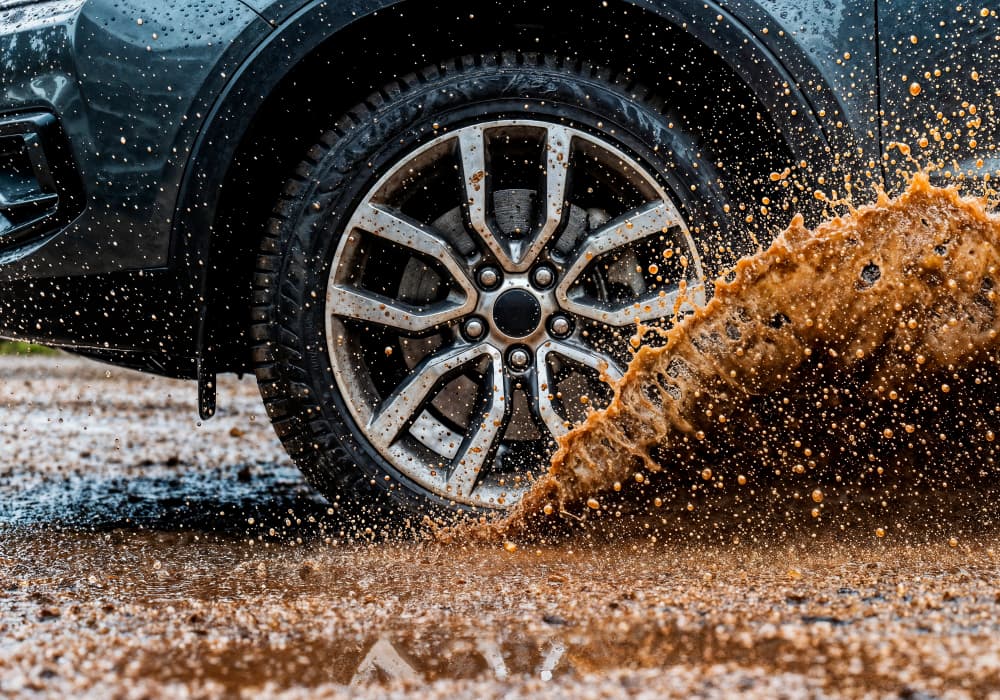
If braking feels longer in rain, or traction control triggers more often than usual, tyre grip may be below safe expectations.
2. Look for visible damage
Cracks, bulges, cuts, or repeated sidewall repairs are strong replacement signals. Even if the tread looks okay, structural damage can be dangerous.
- Sidewall bubbles or bulges
- Deep cuts and exposed cords
- Frequent punctures on same tyre
3. Consider tyre age
Age hardens rubber over time. If your tyre set is old and performance feels inconsistent, replace proactively instead of waiting for failure.