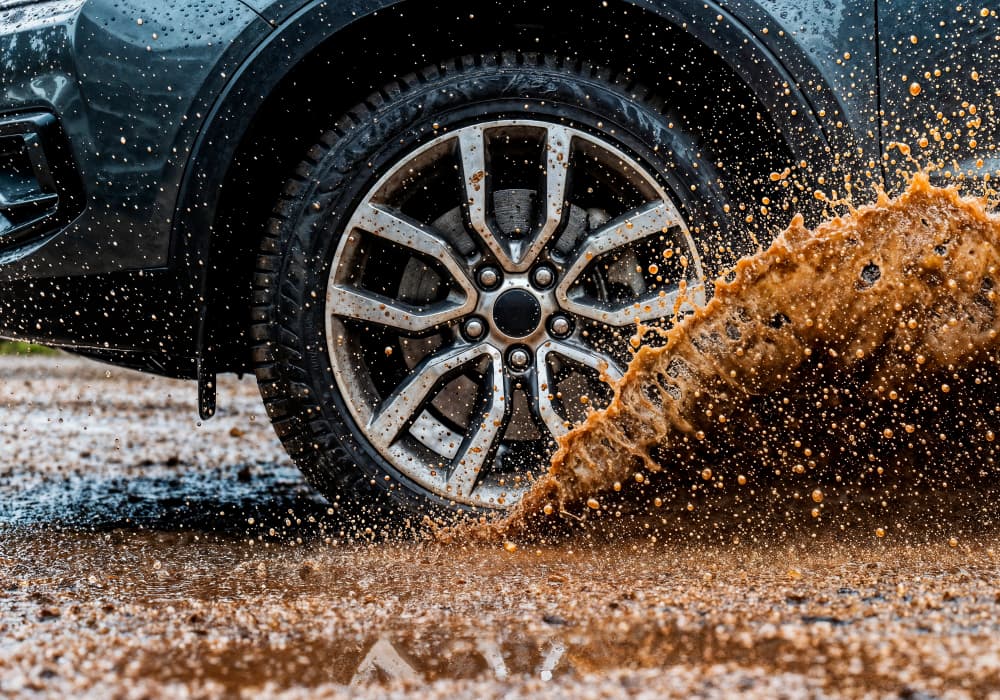
Rain and flooded roads reduce grip quickly. Choosing the right tread pattern and depth helps you brake earlier, corner safely, and avoid aquaplaning.
1. Start with tread depth
A deeper, healthy tread clears water faster. If your tread is worn close to the limit, wet stopping distances can increase significantly.
Do a quick visual check across all four tyres, not just the front pair. Uneven wear can point to alignment issues that become riskier in rain.
- Inspect inner and outer shoulders for uneven wear
- Replace tyres early if grooves are visibly shallow
- Rotate tyres on schedule to keep wear balanced
2. Pick the right pattern for your use
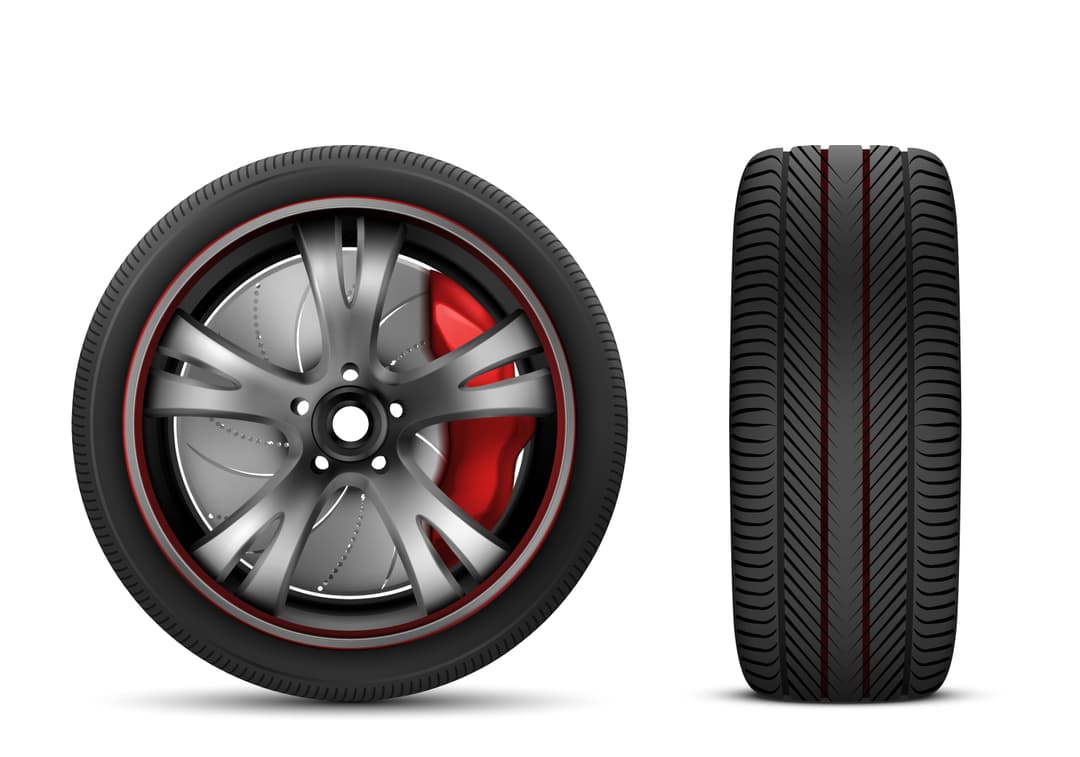
For daily city driving, choose patterns focused on wet braking and drainage. For mixed city and highway driving, select tyres with strong wet handling ratings and stable center ribs.
- Commuters: prioritize wet grip and low noise
- High mileage fleets: balance wet safety with long wear
- SUV users: choose models built for heavier vehicle loads
3. Keep pressures correct
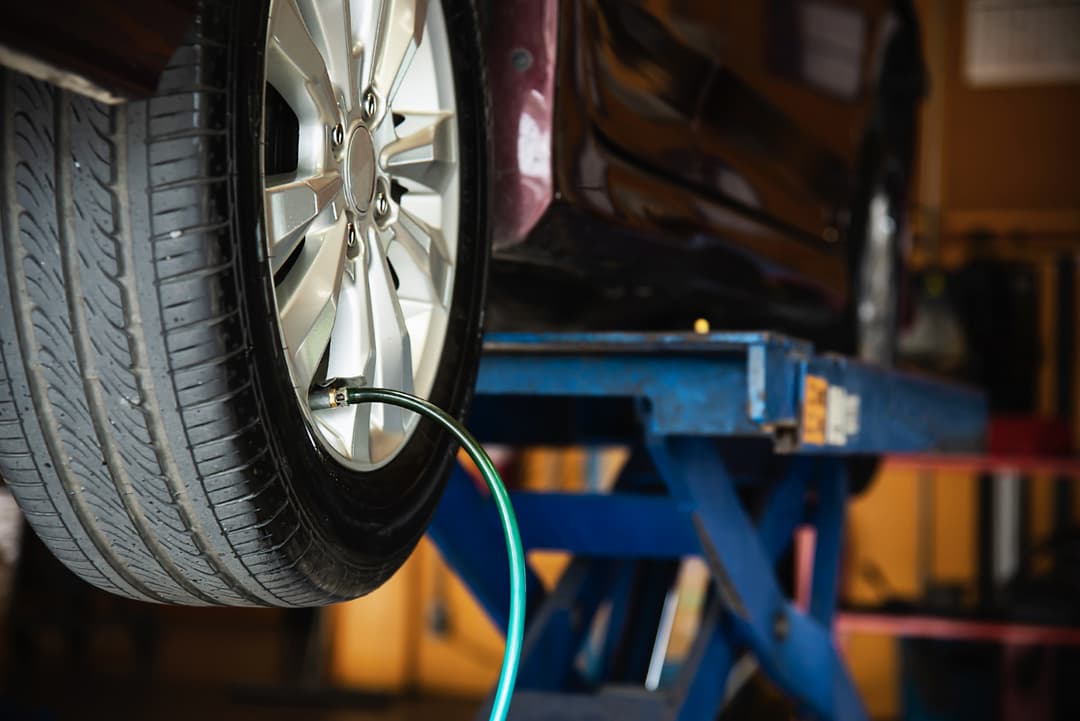
Underinflation reduces steering response and increases heat. Overinflation can reduce contact patch in wet turns. Check pressure when tyres are cold and match vehicle recommendations.